Source Sequin Trim for Garments, Home Textile, and Bridal Wear
Compare 30 sequin trim options from verified suppliers in China. Buyers can evaluate materials like PVC and polyester, customization features, and pricing for applications in garments, home textiles, and bridal wear.
Key considerations
Products List


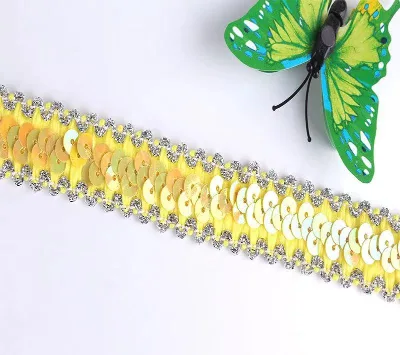


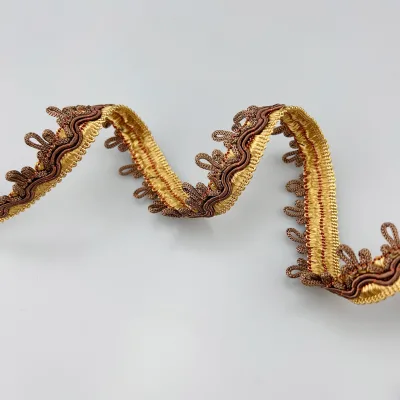
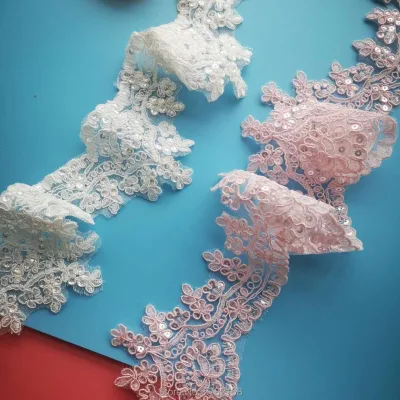
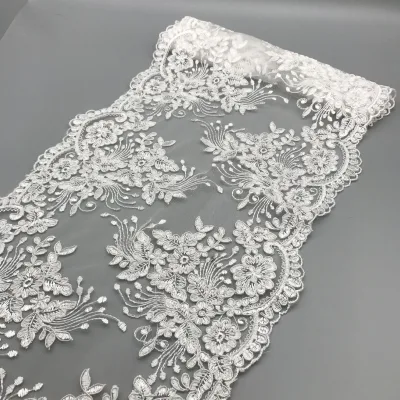


Comprehensive Sourcing Guide
Strategic Sourcing Guide for Sequin Trim Procurement
Navigating the global market for sequin trim requires a disciplined approach that balances aesthetic requirements with rigorous supply chain verification. Buyers in the fashion, home textile, and bridal sectors often seek decorative edging that combines durability with visual impact. The core keyword "sequin trim" encompasses a diverse range of products, from simple woven bands to complex embroidered assemblies. Successful procurement depends on understanding the specific material compositions, technical standards, and customization capabilities available in the current market. This guide outlines the essential factors for evaluating suppliers and ensuring product quality without relying on unverified claims or speculative data.
Technical Specifications and Material Composition
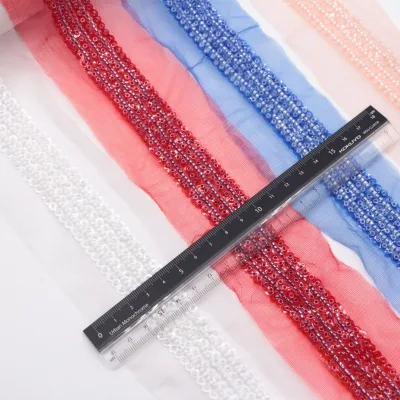
The foundation of any successful sourcing decision lies in the precise definition of technical specifications. In the observed market data, material composition varies significantly, with products listed as PVC, PET, Mesh, and Nylon. This diversity indicates that "sequin trim" is not a monolithic category but a functional descriptor for various decorative tapes. Buyers must verify the base fabric before assessing the sequin application. For instance, some listings specify a width of 5mm, while others indicate a broader 58/60" or a specific 3cm width. The shape of the trim is frequently observed as round, which influences how the trim drapes and adheres to garments.
When evaluating technical data, the production model number serves as a critical identifier for consistency. Specific models such as NORMAL, FZ280, XDTR-2402, and SLR111 represent distinct product lines with unique attributes. A buyer must ensure that the requested model matches the intended application. For example, a trim designated for "Life" embroidery applications may differ structurally from one labeled for "Trimming" or "Warp Knitting Lace." The technics employed, whether Knitted, Woven, or Net Embroidery, directly impact the flexibility and drape of the final product. Silk Embroidery and Net Embroidery techniques suggest a higher level of detail and potentially different handling requirements during the manufacturing process.
| Specification Attribute | Observed Variations | Procurement Verification Point |
|---|---|---|
| Material | PVC, PET, Mesh, Nylon, Polyester | Confirm base fiber content for washability and durability. |
| Width/Size | 5mm, 3cm, 7.5cm, 58/60" | Verify exact dimensions against garment pattern requirements. |
| Shape | Round | Check if round profile suits the specific seam or edge application. |
| Technics | Knitted, Woven, Net Embroidery | Assess flexibility and stretch properties based on the technique. |
| Color | Multi-Colored, 6 Color Options, Photo Colors | Confirm color fastness and availability of custom dyeing. |
Compliance, Certification, and Standards Verification
In the B2B textile sector, compliance is not merely a formality but a prerequisite for market access. The supplied data references specific standards such as SGS and mentions a "100% Nylon" standard, which serves as a baseline for material purity. However, buyers must treat these references as observations of specific listings rather than universal guarantees for all sequin trims. The presence of an SGS reference suggests that third-party testing is available for certain products, but it does not imply that every supplier automatically holds this certification.
Buyers should actively verify the origin of the product, as location data indicates a concentration of manufacturing in Zhejiang, China (Mainland). While this region is a known hub for textile production, the specific origin point can influence shipping logistics and tariff classifications. Furthermore, the standard "width 3cm" or "5mm" listed in product attributes must be cross-referenced with international safety standards if the trim is intended for children's wear or specific home textile applications. The "Eco-Friendly" attribute observed in some listings requires concrete verification, as this term is often used loosely. Procurement teams should request specific test reports regarding chemical compliance, such as REACH or CPSIA, rather than relying solely on the marketing label.
Cost Drivers and Pricing Dynamics
Understanding the cost structure of sequin trim is essential for budgeting and negotiation. The observed price range in the market spans from $0.02 to $10.96 per unit, a wide variance that reflects differences in material quality, complexity of design, and order volume. The Minimum Order Quantity (MOQ) is another significant cost driver, with observed ranges from 5 to 10,000 units. Some suppliers list an MOQ of 100 meters, while others may have lower thresholds for stock colors.
The cost is heavily influenced by the customization options available. Products offering "Photo Colors or Customize" capabilities often carry a premium over standard stock colors. The production method also plays a role; "Woven Lace" and "Net Embroidery" may command higher prices than simpler knitted or woven trims due to the labor intensity involved. Additionally, the packing method, such as "50mts/Roll" or "Standard Export Carton," affects the final landed cost. Bulk orders that utilize roll packing efficiently may reduce per-unit shipping costs compared to smaller, individually carded packages. Buyers should analyze the total cost of ownership, including the impact of lead times, which are observed to be as short as 5-7 days for some suppliers, against the cost of expedited shipping for others.
Typical Applications and Usage Scenarios
Sequin trim finds its primary utility in sectors where visual embellishment is paramount. The data highlights applications in Garment, Bridal, Home Textile, and DIY projects. Specific usage examples include Wedding Dresses, Cushions, Toys, Bags, Shoes, and Bookmarks. The versatility of the product is evident in its classification under categories like "Warp Knitting Lace" and "Trimming."
For the bridal sector, the "Life" embroidery application and "Silk Embroidery" features suggest a high-end aesthetic suitable for wedding gowns and veils. In the home textile market, the trim is utilized for curtains and decorative cushions, where the "Eco-Friendly" attribute may be a selling point for conscious consumers. The "Abrasion Resistance" feature is particularly relevant for applications involving bags, shoes, and toys, where the trim must withstand friction and wear. Buyers must match the specific product attributes to the end-use environment. For instance, a trim with "Dyed" color production is suitable for garments requiring specific color matching, while "Stock Color" availability is ideal for quick-turnaround DIY projects.
Supplier Evaluation and Selection Criteria
Selecting the right supplier requires a multi-faceted evaluation process that goes beyond price comparisons. The observed data indicates that suppliers offer various customization options, which is a strong indicator of flexibility and customer service capability. A supplier that supports "Customization" and offers "Paper Card or According Customer's Request" packing demonstrates an ability to adapt to diverse client needs.
When evaluating potential partners, buyers should prioritize those with a clear track record in specific regions, such as Zhejiang. The presence of a "Manual Process" labeled as "Around" suggests that certain trims involve hand-finished details, which can be a quality differentiator. However, buyers must verify the consistency of these manual processes. The "Stock Availability" of color options is another critical factor; suppliers with "Stock Color" inventory can offer faster delivery times compared to those requiring custom dyeing.
It is imperative to avoid suppliers who make unverifiable claims about certifications or performance. Instead, focus on suppliers who provide transparent documentation regarding their production models, such as FZ280 or SLR111. The ability to provide samples that match the "6 Color for Choice" or "Multi-Colored" specifications is a practical test of a supplier's capability. Buyers should also assess the supplier's responsiveness to specific requests regarding width, shape, and technics, ensuring they can meet the precise technical requirements of the project.
Quality Control and Long-Term Procurement Considerations
Quality control in the sequin trim industry must address both the aesthetic integrity and the functional durability of the product. The "Abrasion Resistance" feature is a key quality metric that should be verified through physical testing, especially for trims used on bags and shoes. The "Eco-Friendly" claim requires independent verification to ensure that the materials and dyes used do not pose environmental or health risks.
Long-term procurement considerations involve establishing a stable supply chain that can handle volume fluctuations. The observed lead time of 5-7 days is advantageous for urgent orders, but buyers should plan for potential delays during peak seasons. The "Standard Export Carton" packing suggests a level of professionalism in logistics, but buyers should confirm that the packing method protects the trim from damage during transit.
To ensure long-term success, buyers should maintain a clear communication channel regarding product standards. The "prod_standard" field, which includes references to SGS and specific material compositions, should be a baseline for all future orders. Regular audits of the supplier's production capabilities, particularly for "Woven Lace" and "Net Embroidery" techniques, will help maintain consistent quality. Additionally, monitoring the availability of "Photo Colors or Customize" options ensures that the supply chain remains agile enough to meet changing fashion trends and design requirements. By focusing on these structured evaluation points, buyers can mitigate risks and secure a reliable source for high-quality sequin trim.
FAQs
What materials are available for sequin trim?
Available materials include PVC, PET, Mesh, Nylon, and Polyester. Buyers must verify the specific base fiber content for each listing to ensure washability and durability match the intended garment or home textile application.
Which customization options are offered for color?
Options include Multi-Colored, 6 Color for Choice, and Photo Colors or Customize. Customization capabilities often carry a premium over standard stock colors and require specific dyeing processes like Dyed production methods.
How is the product packed for shipment?
Packing methods vary by product and include 50mts/Roll, 50meters Per Roll, Roll Packing, and Standard Export Carton. Some suppliers also offer Paper Card or custom requests, which affects the final landed cost and shipping efficiency.
Can I find sequin trim with abrasion resistance?
Yes, abrasion resistance is a listed feature for specific products. This attribute is particularly relevant for applications involving bags, shoes, and toys where the trim must withstand friction and wear during use.
What are the typical lead times for delivery?
Delivery times can be as short as 5-7 Days for some suppliers. Buyers should plan for potential delays during peak seasons and verify lead times against urgent order requirements before placing bulk orders.
Which standards are referenced for product quality?
Referenced standards include SGS and specific material compositions like 100% Nylon. Buyers should treat these as observations of specific listings and request concrete test reports for chemical compliance rather than relying solely on marketing labels.